
Whether you are a startup founder, an e-commerce owner, or a business strategist, one thing is clear: digital marketing has changed significantly.
SEO (Search Engine Optimization) is no longer only about ranking a webpage on Google’s first page. Search is becoming more conversational, visual, social, and increasingly influenced by artificial intelligence.
People now discover information through traditional search engines, AI-powered platforms, social media, short-form videos, and other digital experiences.
For marketers in 2026, the goal is not simply to generate clicks. It is to make a brand visible, useful, trustworthy, and easy to understand across different digital platforms.
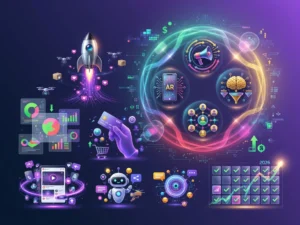
This guide explores how SEO in 2026 is changing and how it connects with GEO, AEO, AI, social search, data privacy, video marketing, and paid advertising.
Table of Contents
What Is SEO?
Why Is SEO Important in 2026?
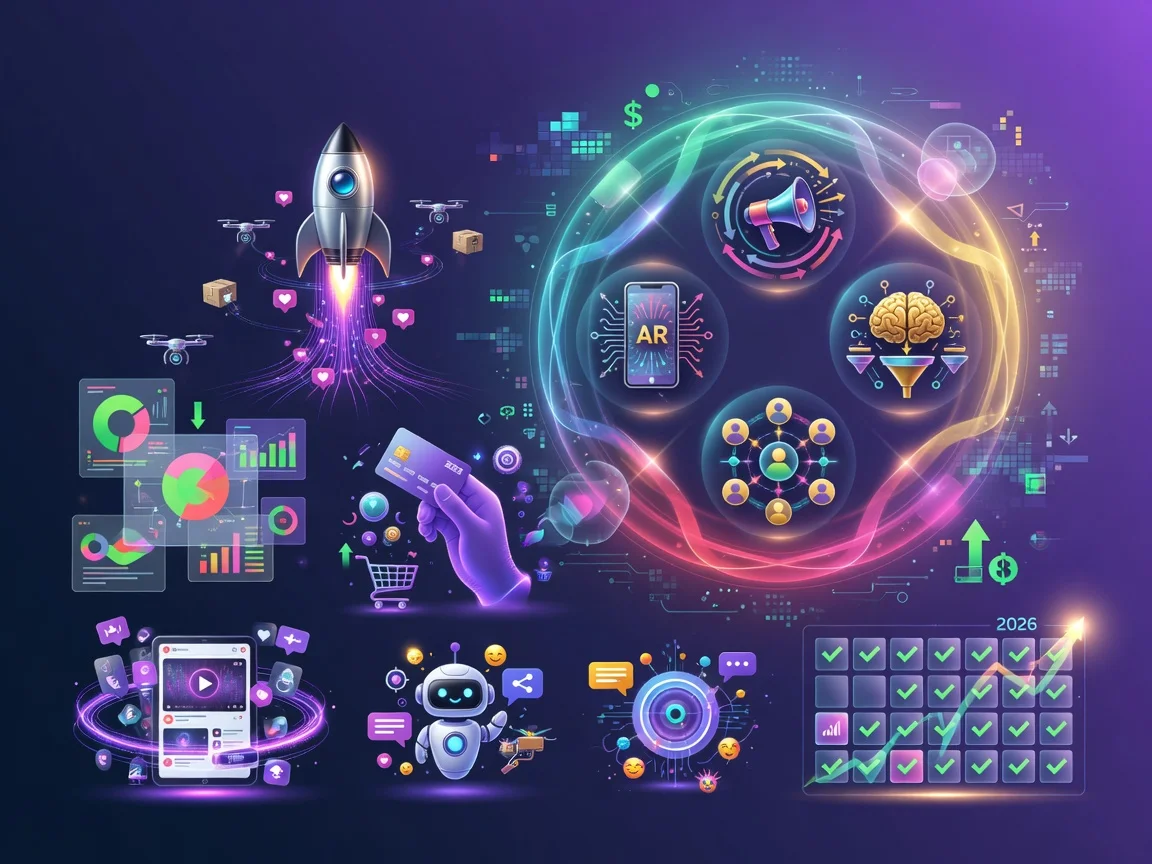
The Great Shift in Digital Marketing
The Short-Form and Shoppable Video Revolution
How SEO Is Changing: From Search to GEO and AEO
AI-Driven Personalization and Automation
Social Media as the New Search Engine
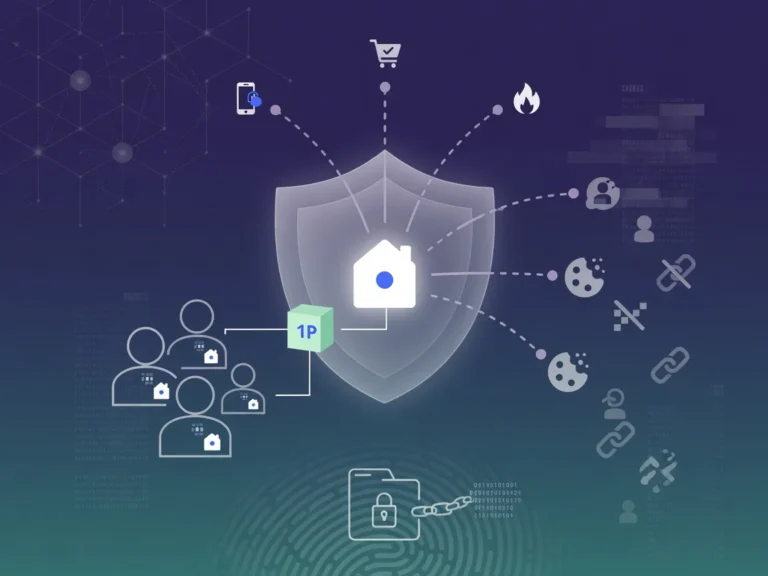
Data Privacy and First-Party Data
Major Paid Advertising Platforms
Final Thoughts
What Is SEO?
SEO, or Search Engine Optimization, is the process of improving a website so that search engines can understand its content and users can find it more easily.
Traditional SEO includes areas such as keyword research, content optimization, technical improvements, internal linking, backlinks, and user experience.
However, modern SEO goes beyond keywords and rankings. Search engines are becoming better at understanding the meaning, context, intent, and relationships behind content.
This means businesses need to create content that is genuinely useful instead of simply filling pages with keywords.
Why Is SEO Important in 2026?
Search remains an important way for people to discover businesses, products, services, and information.
A strong SEO strategy can help a website:
Improve organic visibility
Attract relevant visitors
Build brand awareness
Generate leads
Support long-term growth
Establish authority in a specific topic
SEO is also becoming connected with other forms of digital discovery.
Users may discover a business through Google, an AI answer, an Instagram Reel, a YouTube video, TikTok, Reddit, or another platform before visiting its website.
Therefore, modern SEO needs to work as part of a wider digital marketing strategy.
1. The Great Shift in Digital Marketing
Digital marketing is no longer about managing separate channels independently.
Running advertisements, publishing blogs, sending emails, and managing social media as completely separate activities can create a fragmented customer journey.
In 2026, successful digital marketing is increasingly about creating connected experiences across search engines, AI platforms, social networks, websites, and video platforms.
Traditional SEO focused heavily on ranking webpages for specific search queries.
Modern search systems are moving towards deeper semantic understanding. They can evaluate topics, entities, context, and user intent rather than simply matching individual words.
This shift has also increased interest in
Generative Engine Optimization (GEO) and Answer Engine Optimization (AEO).
At the same time, privacy changes are encouraging businesses to build stronger first-party data systems instead of depending entirely on third-party tracking.
Short-form video has also become an important discovery channel. Instagram Reels, YouTube Shorts, TikTok, and other platforms allow brands to reach audiences through highly engaging visual content.
The modern approach is therefore moving from click-focused marketing toward value-driven content, personalization, AI-assisted workflows, and integrated customer experiences.
2. The Short-Form and Shoppable Video Revolution
Short-form video has become one of the most important content formats in modern digital marketing.
Platforms such as Instagram Reels, YouTube Shorts, and TikTok allow users to discover products, brands, services, tutorials, and entertainment within seconds.
The first few seconds of a video are especially important.
A strong hook can encourage viewers to continue watching, while a weak opening can cause them to scroll away immediately.
Brands are also using:
User-generated content
Product demonstrations
Micro-influencer reviews
Unboxing videos
Founder stories
Educational videos
Short tutorials
Live shopping
Short-form video is also becoming connected with e-commerce.
Users can discover a product, watch a demonstration, and continue towards a purchase without following the traditional path of searching on Google first.
For marketers, this means video content should not only be entertaining. It should also be useful, searchable, relevant, and aligned with audience intent.
3. How SEO Is Changing: From Search to GEO and AEO
Search has changed significantly from the traditional model of simply ranking webpages on Google.
Earlier SEO focused heavily on achieving higher rankings and generating organic clicks.
Today, users can receive direct answers through AI-powered search, conversational platforms, voice assistants, and other intelligent search experiences.
From Ranking Pages to Providing Answers
Traditional SEO often focused on keywords, backlinks, technical optimization, and rankings.
Modern search is increasingly focused on understanding the meaning and intent behind a query.
This is where Answer Engine Optimization (AEO) becomes relevant.
AEO focuses on making information clear and easy for answer-based systems to understand.
Clear answers, descriptive headings, FAQs, structured content, and concise explanations can make information more accessible to both users and search systems.
The Rise of Generative Search
Generative Engine Optimization (GEO) focuses on how brands and their content can be understood and represented within AI-generated responses.
Platforms such as ChatGPT, Google Gemini, and Perplexity can provide conversational answers to complex questions.
This changes the objective of modern SEO.
The goal is no longer only to rank a webpage. Businesses also need to create content that is clear, relevant, trustworthy, useful, and worth referencing.
Search Engines Understand More Than Keywords
Modern search systems are becoming better at connecting people, organizations, products, services, locations, and concepts.
Because of this, businesses should clearly communicate what they do and which topics they specialize in.
Structured data, logical website architecture, descriptive headings, internal links, and well-organized content can help search systems understand a website more effectively.
4. AI-Driven Personalization and Automation
Artificial intelligence has become an important part of modern digital marketing.
AI can help marketers analyze customer behavior, create content, test campaigns, personalize experiences, and automate repetitive tasks.
Personalization is also becoming more advanced.
Instead of relying only on basic demographic information, businesses can use behavioral signals and customer interactions to create more relevant experiences.
AI-powered systems can assist with:
Content creation
Advertising optimization
Customer support
Email personalization
Lead qualification
Campaign analysis
Creative testing
Predictive insights
AI sales assistants can also help businesses communicate with customers through websites and messaging platforms.
However, automation should not replace human judgment.
Privacy, transparency, accuracy, and ethical use of customer data remain important when implementing AI-driven marketing systems.
5. Social Media as the New Search Engine
Search behavior is becoming more distributed across different platforms.
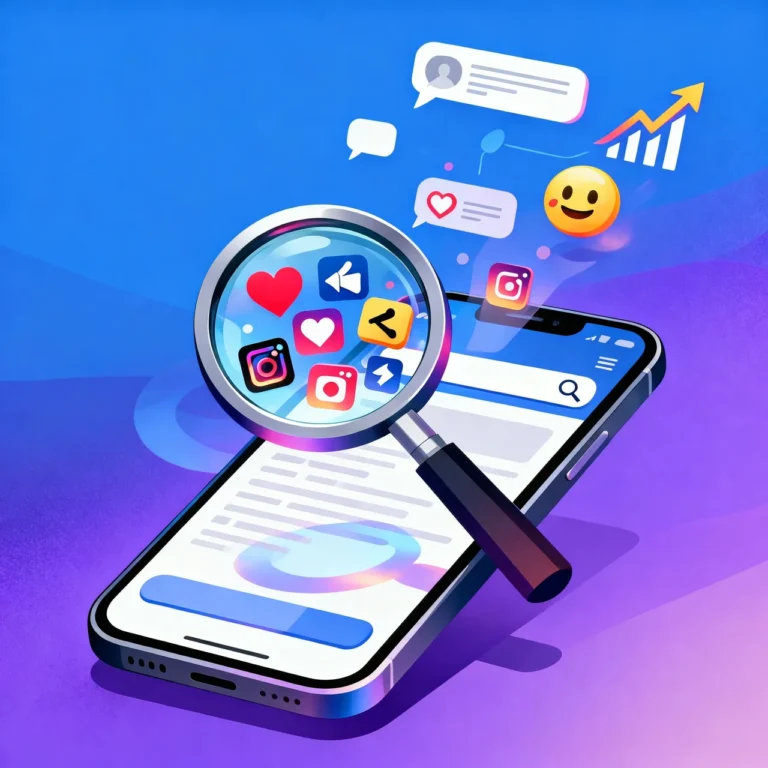
Many users now search directly on Instagram, YouTube, TikTok, Reddit, and other social platforms when looking for products, reviews, tutorials, and recommendations.
This has created growing importance for social search optimization.
Brands should optimize their social profiles, captions, video titles, descriptions, and on-screen text using clear and relevant search terms.
For video content, spoken words can also provide important context.
Instead of using random hashtags, creators can focus on specific topics and phrases that their target audience is actually searching for.
Authentic reviews and community discussions are also increasingly important.
People often use platforms such as Reddit to find real experiences and opinions before making decisions.
Therefore, modern SEO should not be limited to Google. Brands should think about where their audience searches for information and optimize their presence accordingly.
6. Data Privacy and First-Party Data
Privacy has changed how digital marketers collect and use customer information.
Businesses can no longer depend entirely on third-party tracking systems.
First-party data comes directly from interactions between a business and its audience.
Examples include website interactions, customer purchases, email subscriptions, and account activity.
Zero-party data is information that customers intentionally provide, such as preferences, survey answers, or information submitted through interactive tools.
Businesses can encourage users to share useful information by offering valuable resources such as:
Calculators
Templates
Guides
Quizzes
Surveys
Personalized recommendations
Server-side tracking and conversion APIs can also help businesses measure marketing activity while adapting to modern privacy requirements.
Another important concept is zero-click content.
Users may consume information directly inside search results or social platforms without visiting the original website.
Because of this, businesses should provide useful information even when the user does not immediately click through to the website.
7. Major Paid Advertising Platforms
SEO is important for organic visibility, but paid advertising can help businesses reach specific audiences and accelerate growth.
Different advertising platforms serve different purposes.
Meta Ads
Meta Ads on Facebook and Instagram are useful for demand generation, visual campaigns, e-commerce, and consumer-focused brands.
Reels, carousel ads, image ads, and video campaigns can help businesses reach potential customers based on interests and behavioral signals.
Google Ads
Google Ads is particularly useful for capturing existing search intent.
When users actively search for a product or service, Search Ads can place businesses in front of people who are already looking for a solution.
Performance Max campaigns can also help businesses reach audiences across multiple Google properties.
LinkedIn Ads
LinkedIn Ads can be useful for B2B companies, professional services, SaaS businesses, and organizations targeting specific professional audiences.
Advertisers can use professional characteristics such as job roles, industries, company information, and seniority to refine targeting.
TikTok Ads
TikTok Ads focus strongly on short-form video, discovery, and social commerce.
Authentic-looking content and user-generated-style creative can help brands communicate naturally with younger audiences.
Amazon Ads and Retail Media
Amazon Ads and other retail media platforms allow businesses to reach consumers closer to the point of purchase.
Sponsored product and sponsored brand placements can help products gain visibility when shoppers are already searching for items.
Programmatic Advertising
Programmatic advertising uses automated systems to buy and place digital advertising across websites, apps, audio platforms, and connected TV environments.
This allows brands to reach audiences across multiple digital touchpoints.
Final Thoughts
SEO in 2026 is much broader than simply trying to rank a webpage on Google.
Search is becoming more intelligent, conversational, visual, and decentralized.
Businesses now need to think about traditional SEO, GEO, AEO, social search, video content, AI, privacy, and user experience as connected parts of a modern digital strategy.
The most successful approach is not to chase every new platform or algorithm update.
Instead, focus on creating helpful content, strong user experiences, clear brand signals, trustworthy information, and consistent digital visibility.
SEO may continue to evolve, but one principle remains important: help people find the right information at the right moment.
Recommended Resource
For Google’s official SEO guidance, visit the Google Search Central SEO Starter Guide.
Author: Ansif Muhammed
Freelance Digital Marketer | SEO Specialist
Manjeri, Kerala