

Table of Contents
ToggleAI Personalization in Marketing: 10 Proven Trends for 2026
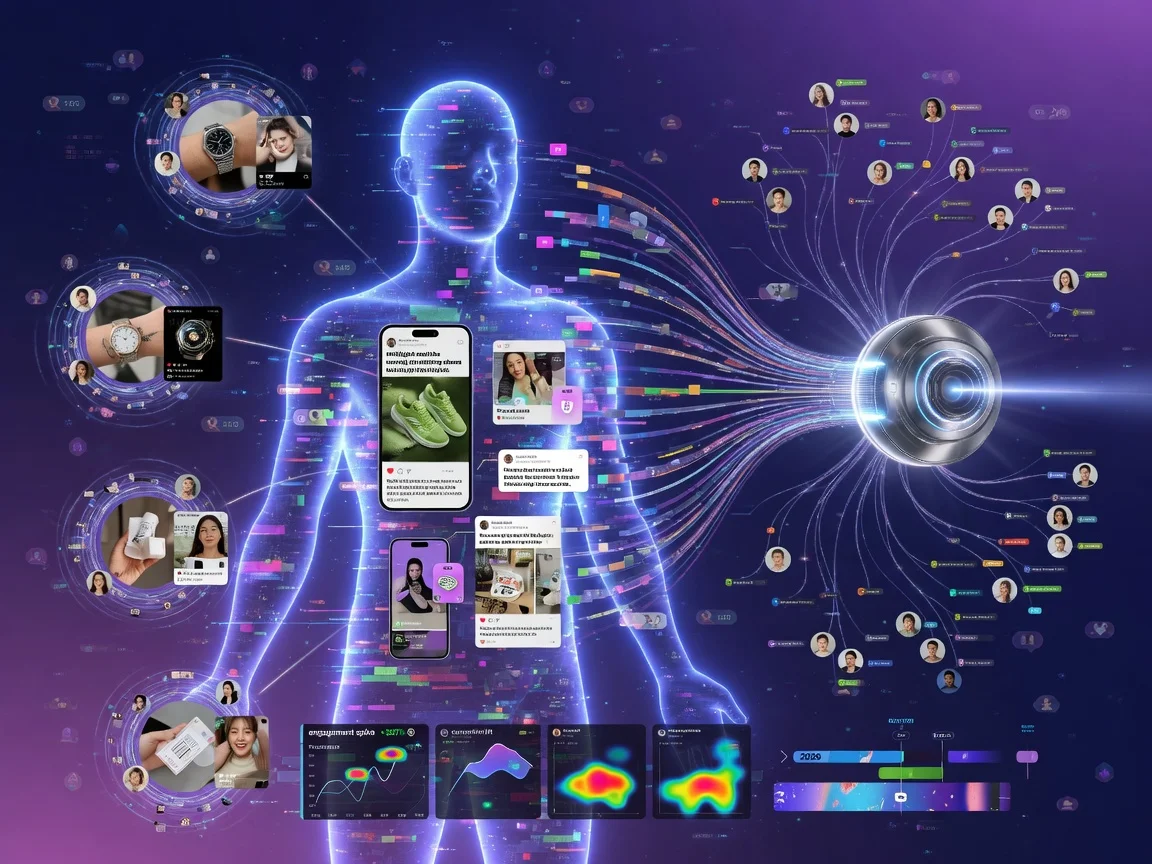
AI personalization in marketing helps businesses show the right message, product, or offer to the right person at the right time. Instead of sending the same campaign to everyone, brands can use data, predictive analytics, and marketing automation to respond to what each customer is actually doing.
This guide explains ten practical trends, from real-time recommendations and AI sales assistants to dynamic pricing and ethical governance. It is written for business owners, freelancers, and marketing students who want to use AI responsibly and keep customer trust.
1. From Basic Segmentation to Predictive Personalization
Older personalization relied on simple rules, such as inserting a first name into an email or grouping people into broad demographic buckets. Modern AI personalization in marketing uses behavioural signals, such as browsing activity, referral source, past purchases, and time of day.
Predictive analytics can then estimate which product, message, or offer is most likely to be relevant. For example, an online store might recommend items based on what a shopper viewed earlier in the same session. The quality of the results depends on clean data and clear consent.
2. Dynamic Website and Landing Page Customisation
A single fixed landing page can’t speak to every visitor. Some platforms now use AI to adjust headlines, banners, and recommended content based on a visitor’s likely intent, such as their industry, company size, or the page they came from.
A small-business owner and a large company might see different examples and calls to action on the same URL. Start small by testing one personalised headline or one tailored section, and compare it against your standard page before expanding.
3. AI Chat Assistants as Sales Helpers
Chatbots have moved beyond rigid, pre-scripted menus. Newer assistants built on large language models can answer detailed questions, handle common objections, recommend products, and guide customers through the customer journey on channels such as web chat, WhatsApp, and social messages.
They can work around the clock, but they still need careful setup: approved information sources, clear handover to a human, and regular review. Don’t let an assistant make promises about pricing, refunds, or performance that your business can’t keep.
4. Personalised Email Workflows With Marketing Automation
Sending the same newsletter to your entire list often brings diminishing returns. Marketing automation tools can now tailor subject lines, content blocks, and product suggestions based on how each subscriber has interacted with your brand.
A simple example is a welcome sequence that changes depending on whether someone downloaded a guide, viewed a service page, or abandoned a cart. Review AI-written copy before sending, and test personalised versions against a standard version to see what really improves results.
5. Automated Creative Testing at Scale
Testing many ad versions by hand takes time. AI-assisted tools can generate and compare variations of headlines, images, video hooks, and calls to action, then shift budget toward the combinations that perform better.
Give the system clear brand guidelines, approved claims, and a defined goal. Keep a person in charge of final approval so your ads stay accurate, on brand, and compliant with platform policies.
6. Predictive Churn Prevention and Customer Lifetime Value
Keeping a customer is usually cheaper than winning a new one. Predictive analytics can flag early warning signs, such as fewer logins, lower engagement, or repeated support tickets, so you can respond before the customer leaves.
You might trigger a helpful check-in, a loyalty reward, or a personal call from your team. The aim is to improve customer lifetime value (LTV) by solving real problems, not by sending more promotions.
7. Dynamic Pricing and Offer Optimisation
Some businesses use AI to adjust prices or offers based on demand, inventory, competitor pricing, and customer behaviour. Used carefully, this can help match offers to different needs without giving away unnecessary discounts.
Pricing needs extra care. Customers can feel misled if prices change unfairly, and some markets have rules about discrimination and price transparency. Keep your pricing logic explainable, consistent, and legal in the places where you sell.
8. Hyper-Local and Contextual Marketing
Personalisation can connect online and offline experiences. A business might send a relevant offer based on the customer’s city, local events, store stock, or opening hours, but only when the customer has agreed to share their location or receive notifications.
For example, a restaurant could promote a lunch offer to subscribers in its service area. Always follow platform rules and privacy laws, and make location-based messages genuinely useful instead of intrusive.
9. Next-Best-Action Planning for the Customer Journey
Real buying journeys are rarely a straight line. People may find a brand on social media, read a blog post, compare reviews, and then contact you days later.
Next-Best-Action (NBA) frameworks use data from channels such as email, ads, your website, and your CRM to suggest the most helpful next step for each person. That might be a short guide, a case study, a reminder, or a call from sales. Start by mapping your real customer journey, then add automation where it saves time and helps the customer.
10. Privacy-First Personalisation and Ethical AI Governance
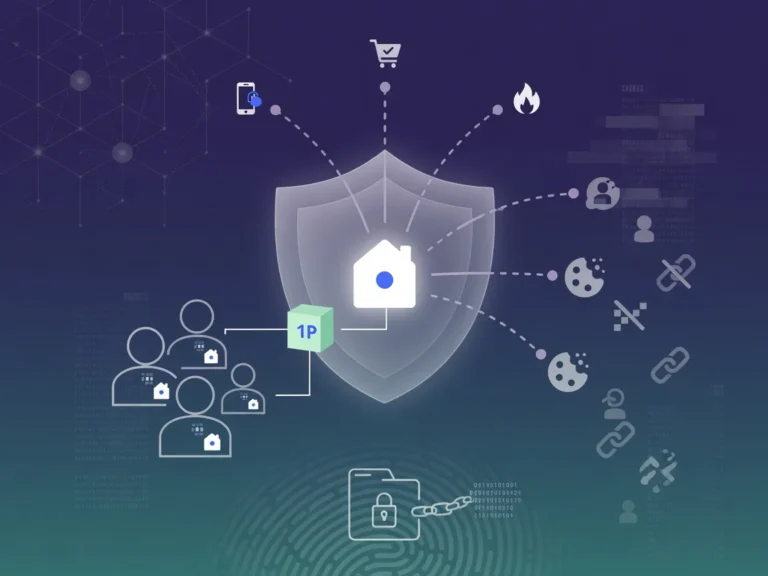
The more personal your marketing becomes, the more careful you need to be with data. Be transparent about what you collect and why, ask for consent where required, and give people simple ways to change their preferences.
Zero-party data, which customers share on purpose through surveys, quizzes, and preference centres, is a respectful foundation for personalisation. Set internal rules for AI use: limit sensitive data, check outputs for bias and errors, and keep human oversight. For a deeper look, read our guide on data privacy in digital marketing and review the rules summarised at GDPR.eu.
How to Start With AI Personalization in Marketing
You don’t need every tool at once. A simple path looks like this:
- Clean your data: fix duplicates and record consent properly.
- Pick one use case: for example, a personalised welcome email or product recommendations.
- Measure results: compare against a control group, using Google Analytics or your platform’s reports.
- Review regularly: check accuracy, fairness, and customer feedback.
If you want a structured plan, follow our 90-day digital marketing strategy and explore the wider digital marketing trends 2026.
Conclusion: Use AI Personalization in Marketing to Build Trust
AI personalization in marketing works best when it makes the customer journey simpler, more relevant, and more respectful. Combine marketing automation and predictive analytics with clean data, clear consent, and human judgement, and you can improve experiences without losing trust.
Start with one small test, measure it honestly, and grow from there. For help planning your next step, visit Ansif Marketer.
About the Author
Ansif Muhammed
Freelance Digital Marketer and SEO Specialist
Manjeri, Kerala


[…] has changed significantly from the traditional model of simply ranking webpages on Google. Earlier, SEO mainly focused on getting a website onto the first page of search results and attracting visitors […]