
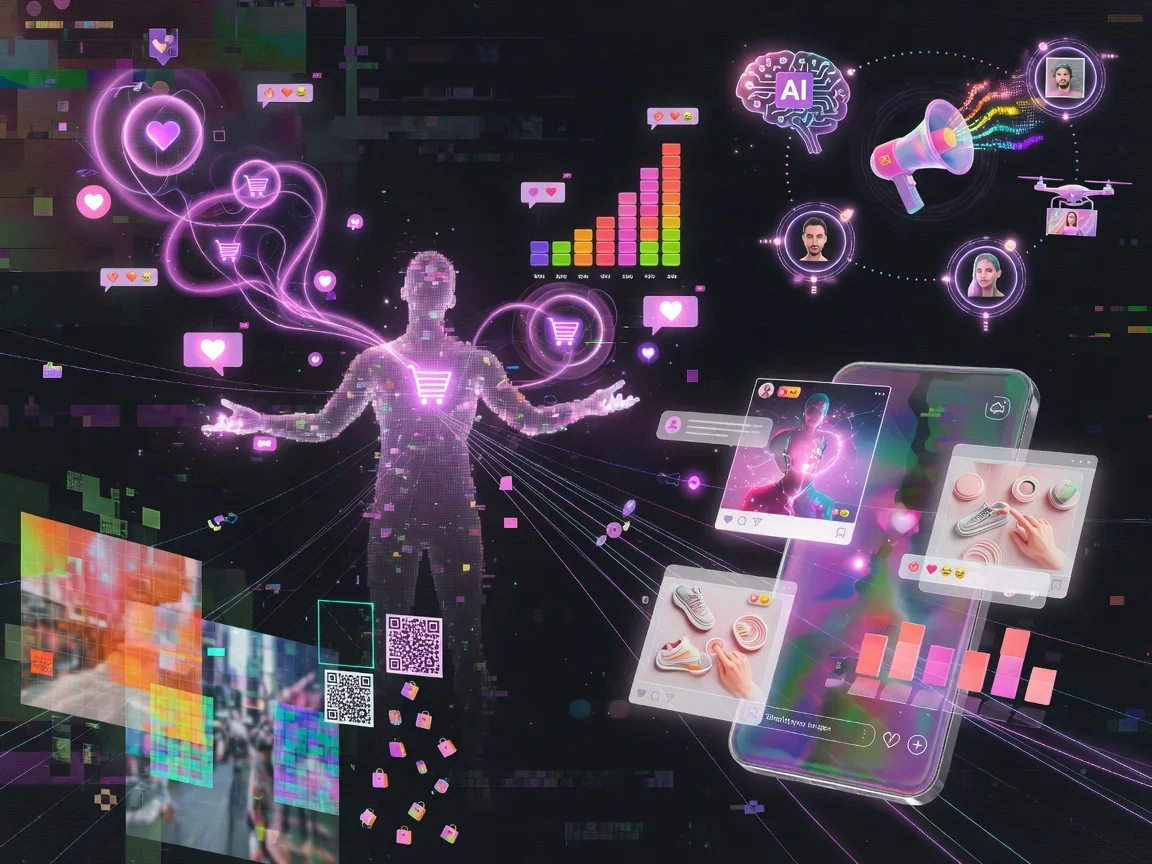

Understanding the latest digital marketing trends 2026 can help businesses reach the right audience, improve their online visibility, and make better marketing decisions. Search engines, social media platforms, and customer expectations are changing. Businesses need to adapt their strategies to stay competitive.
For a freelance digital marketer or business owner, following these changes is an opportunity to discover new ways to attract customers. From AI-powered search to personalised campaigns, the following ten trends explain what is changing and how businesses can respond.
Table of Contents
Toggle1. Digital Marketing Trends 2026: Moving Beyond Traditional Keywords
Keyword research remains important, but matching a search phrase is only one part of SEO. Search engines increasingly use context and language understanding to identify content that answers a person’s question.
For example, someone searching for a digital marketer may also want to compare services, understand pricing, or find a professional nearby. Content that addresses these related needs can provide more value than a page that simply repeats a keyword.
Businesses should focus on search intent, useful information, and related topics. Organising content around real customer questions can also help visitors find the answers they need Digital Marketing Trends 2026.
2. The Growth of GEO and Answer Engine Optimisation
Generative Engine Optimisation (GEO) and Answer Engine Optimisation (AEO) focus on making information useful and accessible across AI-powered discovery experiences.
People increasingly encounter AI-generated answers through tools such as Google AI Overviews, ChatGPT, Gemini, and Perplexity. These tools can help users discover information without following the same search journey they used previously.
To improve content quality, businesses should answer questions clearly, support important claims with reliable sources, and keep information accurate and up to date. Structured data can help search engines understand certain page details, but it does not guarantee inclusion in AI-generated answers Digital Marketing Trends 2026.
Read Google’s official guide to AI features in Search to understand the recommended approach.
3. First-Party Data and Privacy-Focused Marketing
Customer data helps marketers understand interests and measure campaign performance. However, privacy expectations and changes in tracking technology make responsible data collection increasingly important.
First-party data comes from direct interactions with customers, such as website visits, purchases, and newsletter subscriptions. Zero-party data refers to information customers intentionally share, such as their preferences or interests.digital marketing trends 2026
Businesses can develop these relationships through useful newsletters, preference forms, loyalty programmes, and relevant offers. They should explain how information will be used and follow applicable privacy requirements.
The goal is to build customer trust while collecting information that supports better marketing decisions Digital Marketing Trends 2026.
4. Short-Form Video as a Content Discovery Tool
Short-form videos on Instagram Reels, YouTube Shorts, and other platforms offer businesses a way to demonstrate products, explain services, and introduce their brands.
A useful video does not always need expensive equipment. A clear opening, one main idea, readable captions, and a relevant call to action can make content easier to understand.
For example, a local business could create a short video showing how its service works, answering a common customer question, or explaining a product’s benefits.
Marketers should test different formats and review watch time, engagement, enquiries, and conversions. The best video length depends on the audience and the message.
5. Social Media Search Is Becoming More Important
Many users search social platforms for product demonstrations, customer opinions, tutorials, and local recommendations. This creates another opportunity for businesses to become discoverable.
Social search optimisation involves making posts easy to understand and relevant to the terms people use. Businesses can include descriptive captions, clear on-screen text, useful video titles, and relevant location details.
For instance, a restaurant could publish menu videos, location information, and answers to common customer questions. A digital marketing professional could share practical SEO tips or campaign explanations.
Useful content and genuine conversations are more valuable than adding unrelated hashtags or repeating keywords without purpose.
6. Zero-Click Searches and the Importance of Brand Visibility
Some searches provide enough information directly on the results page that users do not need to visit another website. Social platforms also allow users to consume content without leaving their feeds.
This can make website clicks harder to earn for certain topics. However, it does not mean websites are no longer useful.
Businesses can provide quick answers in social posts while offering deeper explanations, original research, tools, and detailed service information on their websites.
Even when someone does not click immediately, useful content can introduce the brand and encourage future searches. Marketers should evaluate visibility, qualified traffic, enquiries, and sales rather than relying on clicks alone.
7. AI-Powered Personalisation and Marketing Automation
Artificial intelligence can help marketers analyse information, organise tasks, draft content, and tailor customer communications. Automation can also reduce repetitive work.
For example, an online store could send different product recommendations based on a customer’s stated interests or previous purchases, provided the necessary consent and privacy requirements are met.
More advanced AI agents may help coordinate tasks across marketing systems. However, automated decisions still require appropriate permissions, monitoring, and human oversight.
Businesses should begin with a clear problem, test a suitable tool, and measure whether it saves time or improves customer experience. Using AI simply because it is available does not guarantee better results.
8. Authenticity, Experience, and Trust in Content
As AI-assisted content becomes more common, useful first-hand experience can help a business stand out. Readers want information that is accurate, relevant, and supported by evidence.
Google discusses the importance of helpful, reliable, people-first content in its official content guidance.
Businesses can strengthen trust by publishing genuine customer experiences, original photographs, transparent case studies, and practical explanations based on their work.
The E-E-A-T framework stands for Experience, Expertise, Authoritativeness, and Trustworthiness. It is a useful quality framework, not a single score that guarantees higher rankings.
Avoid inventing testimonials, campaign results, qualifications, or client experiences. Honest information creates a stronger foundation for long-term growth.
9. Social Commerce and Easier Customer Journeys
Social commerce connects product discovery with shopping experiences. Depending on the platform and market, users may browse products, watch demonstrations, ask questions, and complete purchases through integrated features or linked online stores.
Businesses can reduce friction by providing clear product details, transparent pricing, useful demonstrations, and simple checkout options.digital marketing trends 2026
For example, a fashion brand could show how an item fits, explain available sizes, and link directly to the relevant product page. A service business could use social content to explain its process and guide interested customers towards an enquiry form .
The key is to make the next step clear and convenient without pressuring customers.
10. Omnichannel Marketing and Better Performance Measurement
Customers often interact with a business through several channels before making a decision. They may discover a brand on social media, visit its website, read reviews, and later contact the business directly.
Omnichannel marketing connects these interactions through consistent messaging and a clear customer journey.
Marketers can use analytics tools to understand traffic sources, monitor important actions, and compare campaign performance. Predictive analytics may help estimate future behaviour, but its accuracy depends on data quality and the method used.
Businesses should define meaningful conversions, use appropriate tracking, and review results regularly. Google’s Analytics resource explains how analytics can support customer insights and measurement.
How Can Businesses Apply These Digital Marketing Trends in 2026?
Businesses do not need to adopt every new tool at once. A practical approach is to start with their customers, current marketing performance, and available resources.
-
Improve existing content: Answer customer questions clearly and update outdated information.
-
Strengthen search visibility: Review keyword intent, page structure, internal links, and technical SEO.
-
Create useful social content: Test videos, tutorials, and posts that address genuine customer needs.
-
Use data responsibly: Measure meaningful outcomes and respect customer privacy.
-
Test AI carefully: Automate suitable tasks while reviewing accuracy and quality.
-
Review performance regularly: Use reliable data to decide what to improve next.
Businesses can also explore the digital marketing trends at 2026 services and resources available through Ansif Marketer to learn more about online promotion and search visibility.
Conclusion
The major digital marketing trends 2026 point towards more useful content, better customer experiences, responsible data use, and smarter technology. AI-powered discovery and social search are creating new opportunities, while SEO fundamentals and customer trust remain important.digital marketing trends 2026
Businesses that understand their audiences, test their strategies, and learn from reliable performance data will be better prepared to adapt. Rather than following every trend, focus on the changes that solve real customer problems and support your business goals.
About the Author
Ansif Muhammed
Freelance Digital Marketer and SEO Specialist
Manjeri, Kerala
topic:digital marketing trends 2026
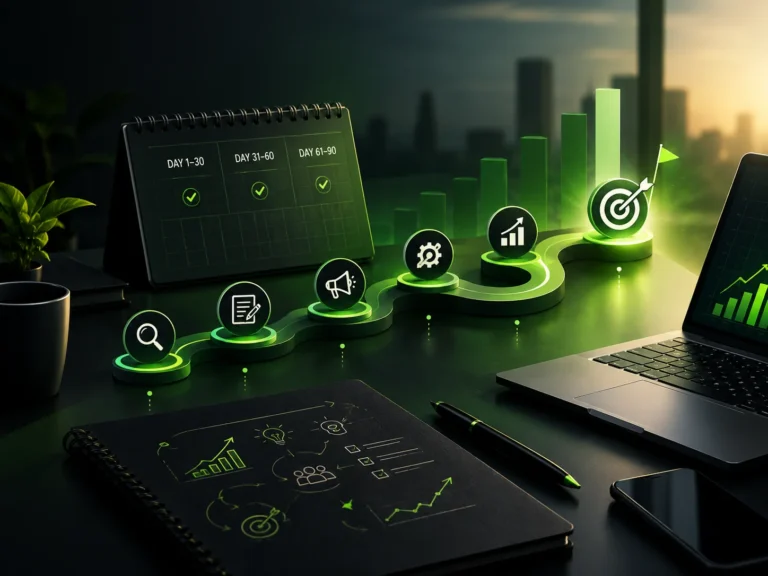


[…] Digital marketing is no longer defined by separate, isolated channels running Meta ads in one room, writing blogs in another, and sending occasional emails no longer works. In 2026, digital marketing is defined as the practice of getting found, cited, and chosen across AI engines, search engines, and social video platforms simultaneously. Targeting isolated keywords is no longer sufficient for driving qualified digital traffic, as advanced AI models and search algorithms have evolved beyond string-matching to deep semantic understanding. Traditional Search Engine Optimization (SEO) designed to secure blue links on Google’s first page has transitioned into Generative Engine Optimization (GEO) and Answer Engine Optimization (AEO), where consumers increasingly rely on conversational AI tools like Google AI Overviews, ChatGPT, Gemini, and Perplexity for direct answers. With total third-party cookie deprecation and strict global consumer privacy legislations, multi-touch tracking and traditional retargeting ads have fundamentally broken down, making an owned ecosystem powered by First-Party and Zero-Party data essential. Short-form vertical video across Instagram Reels, YouTube Shorts, and TikTok has become the dominant content discovery engine, while social media platforms like TikTok, Instagram, and Reddit are rapidly replacing traditional search engines for younger demographics. To succeed today, modern digital marketing shifts from click-bait tactics to in-feed value delivery, provides hyper-personalization at scale via autonomous AI agents, leverages authentic human experience as the ultimate differentiator, converges shoppable media for frictionless commerce, and utilizes AI-driven predictive analytics to continuously optimize cross-channel touchpoints in real time. […]